The Prospect of TV: Diving into the Realm of IPTV
In recent years, how we watch TV has seen a major transformation. Traditional cable and satellite services are being disrupted by an emerging technology known as IPTV, or Internet Protocol Television. This shift is not just a fleeting trend; it signifies a fundamental change in how we consume our favorite shows, movies, and live events. With the rise of streaming services and the demand for flexible content, IPTV stands out as a powerful solution that caters to the needs of modern viewers.
As more people seek greater flexibility, customization, and cost efficiency in their entertainment options, IPTV has quickly achieved popularity. By delivering content over the Internet rather than through traditional broadcasting methods, IPTV provides a multitude of benefits that enhance the viewing experience. From the ability to watch on multiple devices to the accessibility of foreign content, IPTV is revolutionizing home entertainment. In this article, we will discuss the myriad benefits of transitioning to IPTV and showcase why this technology is being hailed as the next frontier of television.
Advantages of Internet Protocol Television
Internet Protocol Television offers numerous advantages that greatly enhance the viewing experience for modern audiences. One of the main advantages is the flexibility it provides. Viewers can watch their beloved shows and movies on various devices, including smart TVs, tablets, and smartphones, enabling them to enjoy content from almost anywhere. This level of accessibility makes it simpler for people to fit entertainment into their hectic lifestyles, further highlighting the ease that IPTV brings.
Another major benefit of Internet Protocol Television is the cost-effectiveness associated with its services. Unlike traditional cable packages that often come with long-term contracts and hidden fees, IPTV typically offers more transparent pricing and a variety of customizable plans. This means viewers can choose packages that fit their viewing preferences without overspending, making it an appealing choice for budget-conscious households. Additionally, many Internet Protocol Television providers offer on-demand content, reducing the need for physical media purchases and further saving consumers money.
Lastly, IPTV enhances the viewing experience by providing options that are not available with conventional television services. With features like time-shifting and cloud DVR, viewers can pause, rewind, or record live broadcasts anytime. Moreover, IPTV services often offer easy-to-use interfaces and personalized recommendations, which help in creating a more tailored viewing experience. This mix of innovation and personalization contributes to why Internet Protocol Television is rapidly becoming the go-to option for many consumers.
Internet Protocol Television vs Traditional TV
Traditional TV has long been a mainstay in homes, relying on cable and satellite TV services to deliver content. However, IPTV is changing the landscape by providing a more customized viewing experience. Unlike conventional television, which often forces viewers to adhere to set schedules and limited channel selections, IPTV allows users to choose exactly what they want to watch, when they want to watch it. This freedom is appealing to audiences that crave personalization in their entertainment options.
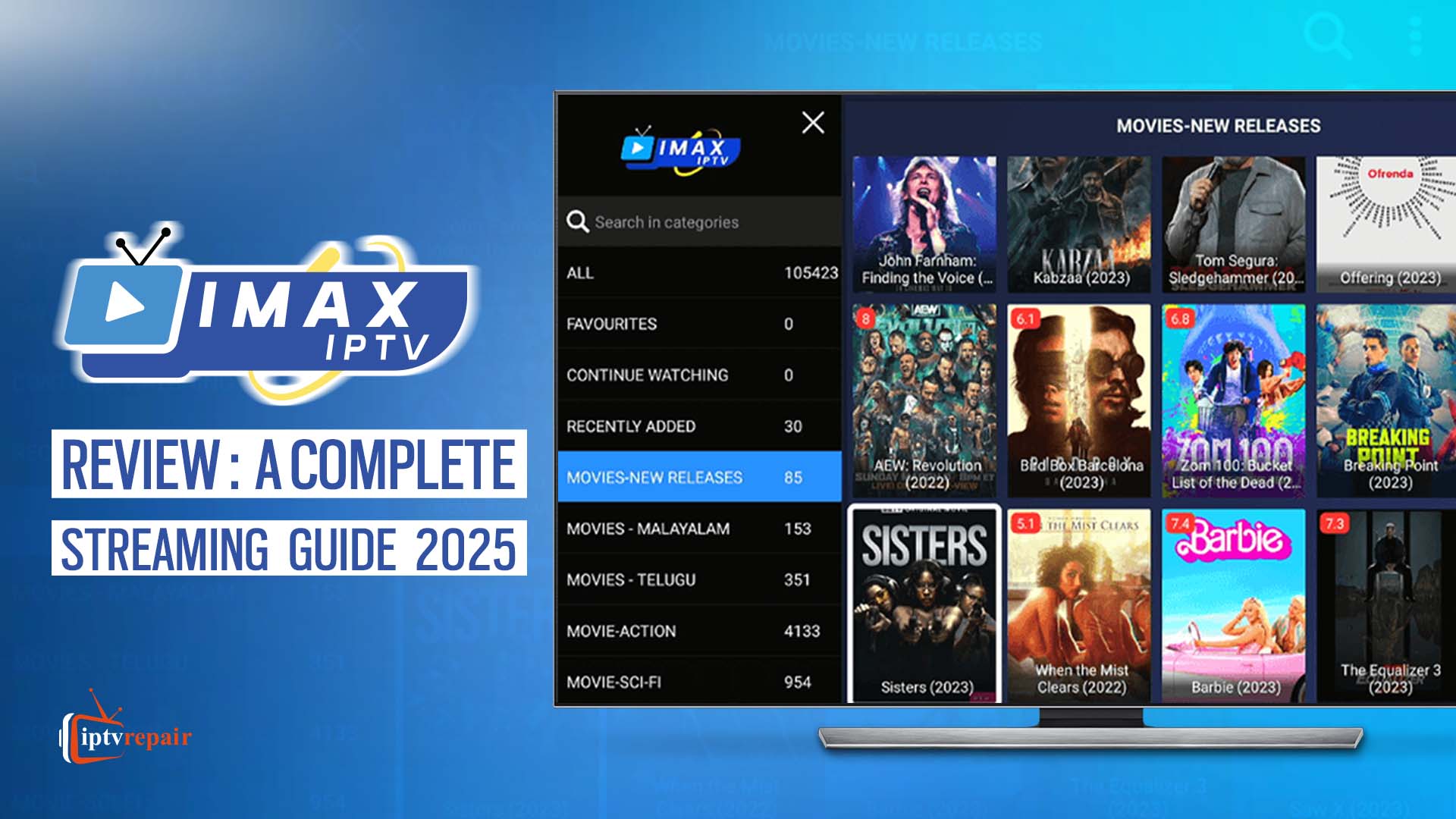
Furthermore, the tech underlying Internet Protocol Television offers significant merits over conventional broadcasting. IPTV utilizes internet connections to stream content straight to viewers, enabling high-definition quality and access to a vast variety of channels and on-demand programming. In contrast, traditional TV services often struggle with signal issues and their content quality can be inconsistent. This shift towards Internet-driven streaming enhances the overall user experience, making it simpler to enjoy favorite shows and movies without interruption.
Price is another key factor where IPTV has the advantage over conventional television. Many cable and satellite TV subscriptions come with high monthly fees and hidden charges, while IPTV services tend to offer more cost-effective packages with no long-term contracts. This affordability makes IPTV an attractive option for cost-aware viewers, allowing them to enjoy a variety of programming without spending excessively. As more consumers look to reduce expenses, Internet Protocol Television stands out as a sensible and financially savvy alternative to traditional television.
IPTV's Upcoming Prospects
As technology continues to evolve, the outlook of IPTV seems incredibly optimistic. With advancements in web speeds and greater accessibility of premium streaming, IPTV is set to emerge as a staple in homes around the globe. Euro IPTV of AI and ML into IPTV services is expected to improve user experiences through tailored recommendations and more intelligent content curation. These developments will cater to diverse viewer preferences, making IPTV platforms even more appealing to consumers seeking tailored entertainment choices.
Moreover, the growing movement of bypassing cable indicates a shift away from traditional cable TV, empowering viewers to select IPTV as a favored option for home entertainment. With the ability to access a wide array of content from various genres and countries, IPTV is revolutionizing how viewers engage with television. The flexibility to watch on multiple devices—such as smartphones, tablets, and smart TVs—makes it an perfect choice for busy lifestyles, ensuring that entertainment can be enjoyed anytime and everywhere.
The ongoing development of engaging features and expandability of IPTV services will further reinforce their standing in the entertainment landscape. As additional content providers and platforms join the IPTV market, rivalry will drive creativity and result in improved offerings for consumers. The appeal of personalized viewing experiences, superior streaming, and cost-saving benefits will probably lead to an increased adoption of IPTV, confirming that it is not just a trend, but the lasting future of television.